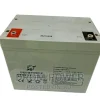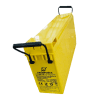
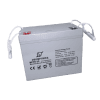

Lead acid battery 12V 80AH
Specifications:
- Voltage: 12V
- Nominal Voltage: Operates at 12 volts, suitable for many battery-powered devices and systems.
- Capacity: 80Ah (Ampere-Hours)
- Capacity Rating: Indicates that the battery can provide 80 amps for one hour or 1 amp for 80 hours before needing a recharge. This reflects the battery’s energy storage capability.
- Type: Lead-Acid
- Flooded Lead-Acid: Requires maintenance, including regular checking of electrolyte levels.
- Sealed Lead-Acid (SLA): Includes AGM (Absorbent Glass Mat) and Gel types. These are maintenance-free and designed to be spill-proof.
Types of Lead-Acid Batteries:
- Flooded Lead-Acid:
- Design: Has liquid electrolyte and requires regular maintenance.
- Maintenance: Needs periodic checking and topping off of electrolyte levels.
- Cost: Generally less expensive, but more labor-intensive.
- Performance: Reliable, though less suitable for applications requiring minimal maintenance.
- Sealed Lead-Acid (SLA):
- AGM (Absorbent Glass Mat):
- Design: Uses fiberglass mats to absorb the electrolyte, making the battery spill-proof.
- Maintenance: Maintenance-free and more resistant to vibrations.
- Cost: Typically more expensive than flooded batteries but offers better performance in demanding conditions.
- Gel:
- Design: Uses a silica-based gel to immobilize the electrolyte.
- Performance: Excellent for deep discharge applications and extreme temperatures.
- Cost: Generally higher cost, but provides superior performance for deep discharge cycles.
- AGM (Absorbent Glass Mat):
Dimensions and Weight:
- Typical Size: About 12.1 x 6.7 x 8.5 inches (307 x 170 x 215 mm), though dimensions may vary slightly by manufacturer.
- Typical Weight: Around 55-65 lbs (25-30 kg). The weight can vary based on design and construction.
Features:
- Maintenance-Free: Sealed types (AGM and Gel) do not require regular upkeep, such as adding water or checking electrolyte levels.
- Spill-Proof: Sealed designs prevent electrolyte leakage and can be mounted in various positions.
- Durability: Designed to handle vibrations and shocks, making them suitable for various environments.
Applications:
- Solar Power Systems: Ideal for storing energy from solar panels for use when the sun is not shining.
- Backup Power Systems (UPS): Provides backup power during electrical outages, ensuring critical systems stay operational.
- Recreational Vehicles (RVs) and Marine: Powers onboard equipment and appliances in RVs, boats, and other vehicles.
- Electric Vehicles: Used in electric bikes, golf carts, and similar low-speed electric vehicles.
Handling and Safety:
- Avoid Overcharging: Use a charger that is designed for lead-acid batteries to avoid overcharging, which can damage the battery.
- Proper Ventilation: Ensure proper ventilation, especially for flooded lead-acid batteries, to prevent gas buildup.
- Temperature Management: Store and operate within the recommended temperature range, usually between -4°F to 140°F (-20°C to 60°C), to maintain performance and extend battery life.
- Correct Disposal: Follow local regulations for recycling or disposing of lead-acid batteries to manage hazardous materials properly.
Maintenance Tips for Flooded Lead-Acid Batteries:
- Regular Inspections: Check electrolyte levels regularly and add distilled water if needed.
- Clean Terminals: Keep battery terminals clean and free from corrosion to ensure good electrical contact.
- Equalization Charging: Occasionally perform an equalization charge to balance the cells and maintain battery health.
Maintenance Tips for Sealed Lead-Acid Batteries:
- No Maintenance Required: Sealed batteries typically do not require maintenance, but it is essential to ensure proper charging and avoid overcharging.
- Check Battery Health: Monitor the battery’s performance and replace it if it shows signs of significant degradation.
Quick Links