
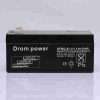
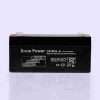

LEAD ACID BATTERY 6V 7AH
A 6V 7Ah lead-acid battery is a reliable and versatile power source used in various applications. Here’s a detailed overview of its features, common uses, and maintenance tips:
Specifications
- Voltage: 6 volts
- Capacity: 7 ampere-hours (Ah)
- Type: Sealed Lead-Acid (SLA) or Absorbed Glass Mat (AGM)
Features
- Sealed Design: This battery is typically maintenance-free with a sealed construction that prevents leaks and doesn’t require water refilling.
- Durability: Known for its robustness and reliability in various conditions.
Common Applications
- Backup Power: Used in uninterruptible power supplies (UPS) to keep small electronic devices running during power outages.
- Emergency Lighting: Powers emergency lights and exit signs, ensuring they function during power interruptions.
- Alarm Systems: Provides backup power for security systems, keeping them operational during power failures.
- Solar Power Systems: Can be part of a small solar setup, storing energy for low-power applications.
- Electric Vehicles: Suitable for small electric vehicles, including scooters, wheelchairs, and battery-operated toys.
Charging and Maintenance
- Charging: Use a charger specifically designed for 6V lead-acid batteries. Ensure the charger’s voltage and current settings match the battery’s specifications to avoid overcharging or undercharging.
- Maintenance: While generally maintenance-free, keep the battery in a cool, dry place. Periodically check for any signs of damage, leakage, or swelling.
Handling and Safety
- Temperature: Store and operate the battery within a moderate temperature range. Extreme temperatures can affect performance and lifespan.
- Disposal: Lead-acid batteries contain hazardous materials and should be recycled according to local regulations. Many retailers and recycling centers offer proper disposal services.
Long-Term Care
- Avoid Deep Discharges: Recharge the battery regularly and avoid letting it fully discharge to extend its lifespan.
- Regular Inspections: Check the battery periodically for signs of wear, damage, or leakage. Ensure connections are secure and clean.
Installation Tips
- Proper Connection: Ensure connections are made correctly and securely to prevent short circuits or damage. Always connect the battery with the correct polarity.
- Ventilation: Although sealed, providing good ventilation during charging can help avoid potential gas buildup.
Quick Links


Reviews
There are no reviews yet.