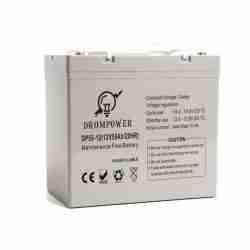
Lead Acid Battery 12V 55AH
A 12V 55AH lead-acid battery is a common type of battery used in various applications, from powering vehicles to backup power systems. Here’s a breakdown of its key characteristics and uses:
Key Characteristics:
- Voltage: 12V (Volts) — This is the standard voltage for many lead-acid batteries and is used in a wide range of applications.
- Capacity: 55AH (Amp-Hours) — This indicates the battery’s ability to deliver 55 amps for one hour, or equivalently, it can deliver 1 amp for 55 hours. The higher the AH rating, the longer the battery will last before needing a recharge, assuming a constant load.
- Type: Lead-acid — This is one of the oldest and most common battery technologies, known for its reliability and cost-effectiveness. It typically consists of lead dioxide (PbO2) as the positive plate, sponge lead (Pb) as the negative plate, and a sulfuric acid (H2SO4) electrolyte.
Common Applications:
- Automobiles: Often used in cars and trucks for starting, lighting, and ignition systems.
- Marine: Provides power for boat systems and starting marine engines.
- Backup Power: Used in uninterruptible power supplies (UPS) to keep devices running during power outages.
- Solar Energy Storage: Can store energy from solar panels for use when sunlight is not available.
Maintenance and Care:
- Charging: Lead-acid batteries should be charged with a charger designed for this type. Overcharging or undercharging can affect performance and lifespan.
- Water Level: For non-sealed (flooded) lead-acid batteries, you should check and maintain the electrolyte water levels.
- Ventilation: Ensure proper ventilation to avoid gas accumulation during charging, as lead-acid batteries emit hydrogen gas.
- Safety: Handle with care, as the electrolyte is corrosive and can cause damage or burns.
Quick Links